Be yourself; Everyone else is already taken.
— Oscar Wilde.
This is the first post on my new blog. I’m just getting this new blog going, so stay tuned for more. Subscribe below to get notified when I post new updates.
Be yourself; Everyone else is already taken.
— Oscar Wilde.
This is the first post on my new blog. I’m just getting this new blog going, so stay tuned for more. Subscribe below to get notified when I post new updates.
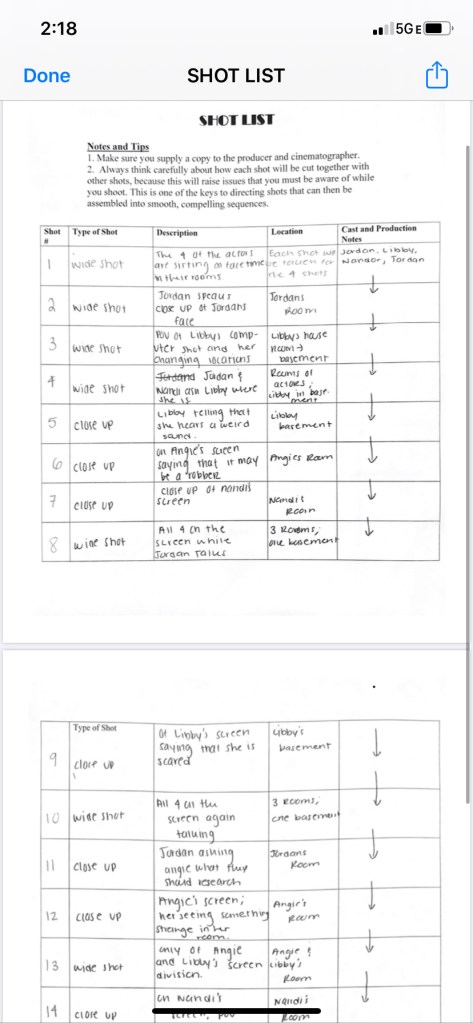
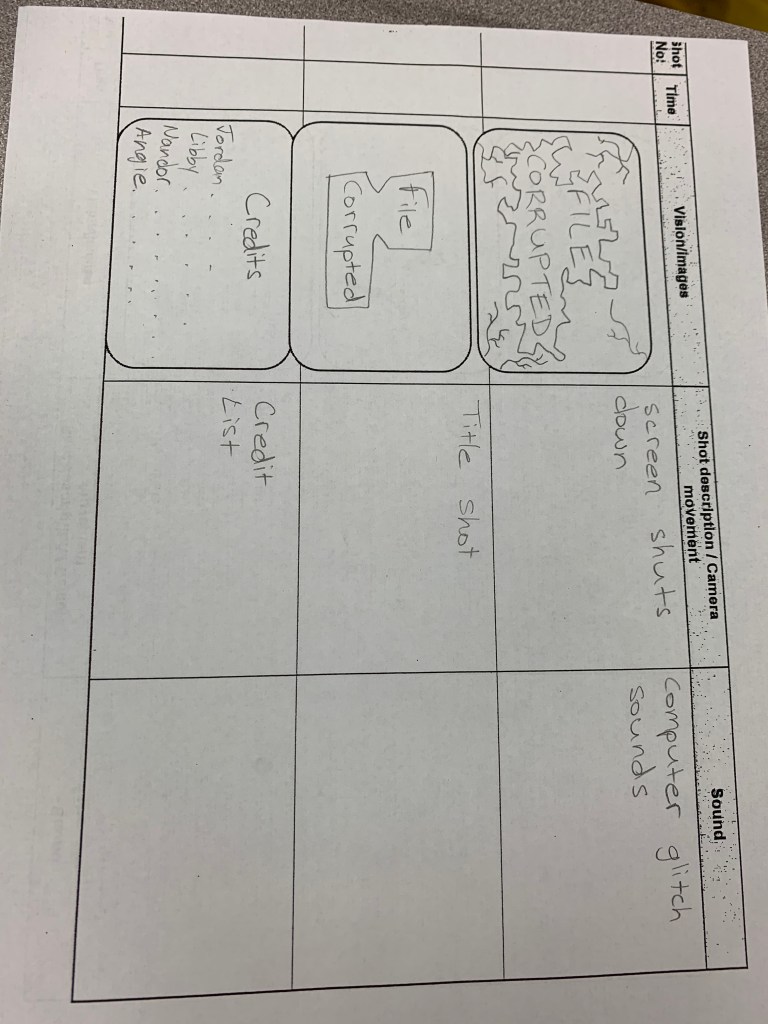
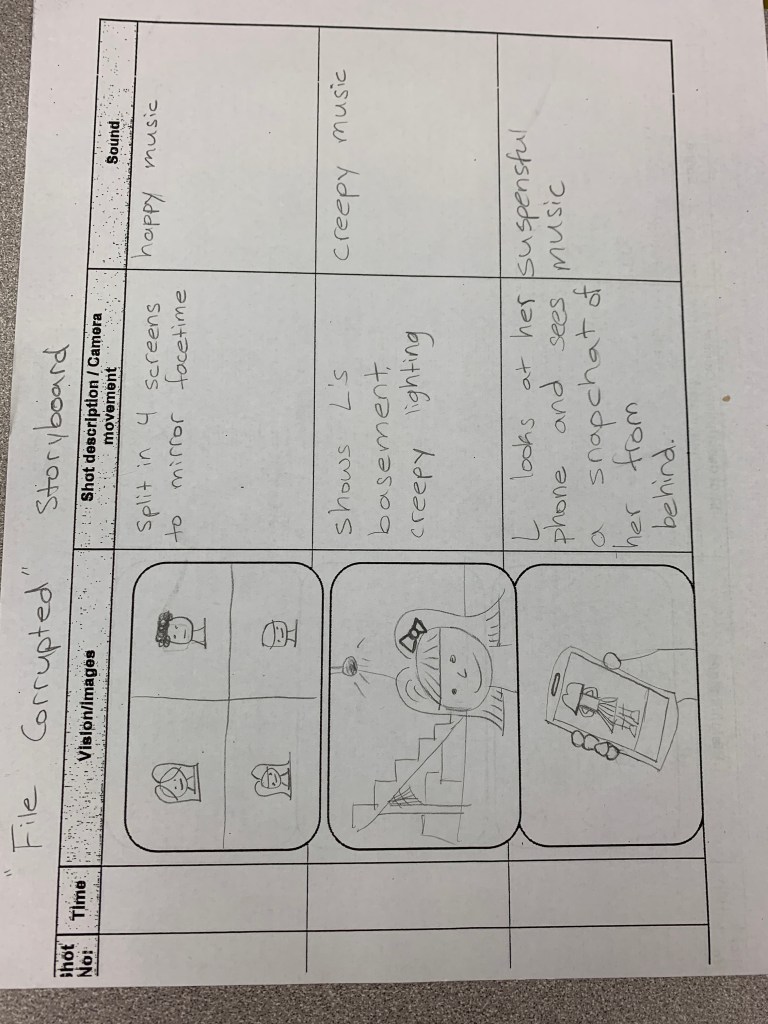
For the creation of our storyboard, I used all of my prior knowledge about the creation of storyboards to effectively put together an outline of our film, “File Corrupted”. During the creation of our storyboard, I added the genre of music that would be used to set the tone for each scene. The plot would get progressively more suspenseful and scary, and the music and lighting would match up with this shift in atmosphere.
The success of a film depends on many factors, such as acting, scene decoration, camera work, directing, and writing. The script of a film is what all other aspects are based around, as without a solid framework, the costumes, set design, lighting and camera angles cannot be effectively planned for to fit the plot of the film.
Another name for a movie script is a screenplay. A screenplay is a story that is made to fit onto a movie screen, and therefore cannot be written as a traditional story.
Standard format for screenplays:
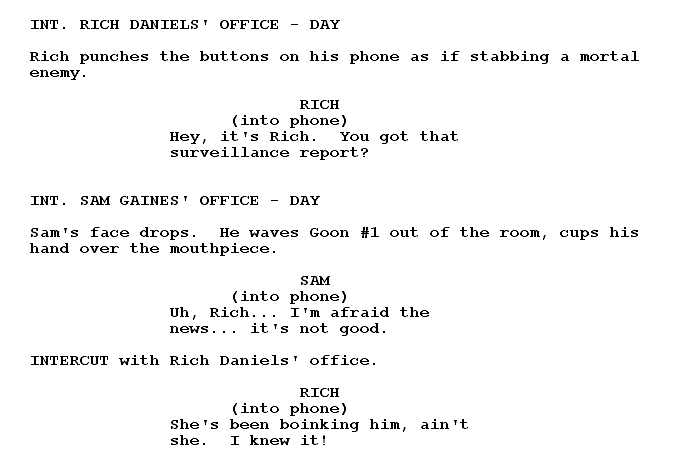
When writing our groups screenplay, we had to constantly keep in mind that we would adapt the script to a video format. In addition, we added in key moments where lighting and camera angles can be used to their greatest potential.
As we now know, characters and plot are crucial to any media text, especially in cinema, where the attention of an audience must be captured and taken advantage of to retain viewership. In addition to characters and plot, an often over-looked aspect of a film is its setting. Setting can completely change the feel of a movie and can even influence how much an audience enjoyed the film.
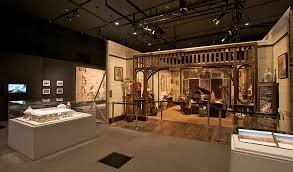
In a way, a good setting is similar to a character. It has a soul and certain characteristics that make it memorable. This can include a setting’s mood and influence on the characters or events, such as a haunted house or a lucky room.
To ensure that a setting has character and importance, a director and cinematographer must be familiar with the ins and outs of their setting. To be familiar with a setting allows a scene to be filmed in the best possible area where lighting can be perfected and used to enhance the scene.
My favorite genre of films is westerns. I prefer classic westerns from the 50’s and 60’s, with their stereotypical story arcs and motifs of the wild west. Most western films revolve around a hero, usually some type of cowboy who has been through many struggles in his life. Common themes include honor, sacrifice, constant fighting with Indians, and the conquest of the wild west. Western movies usually follow a somewhat predictable story line: a hero must help somebody (a defenseless farmer or widow) defend their land or lives against invading Indians or outlaws, and the film follows the adventures of the lead character as he fights his enemies and saves the innocent.
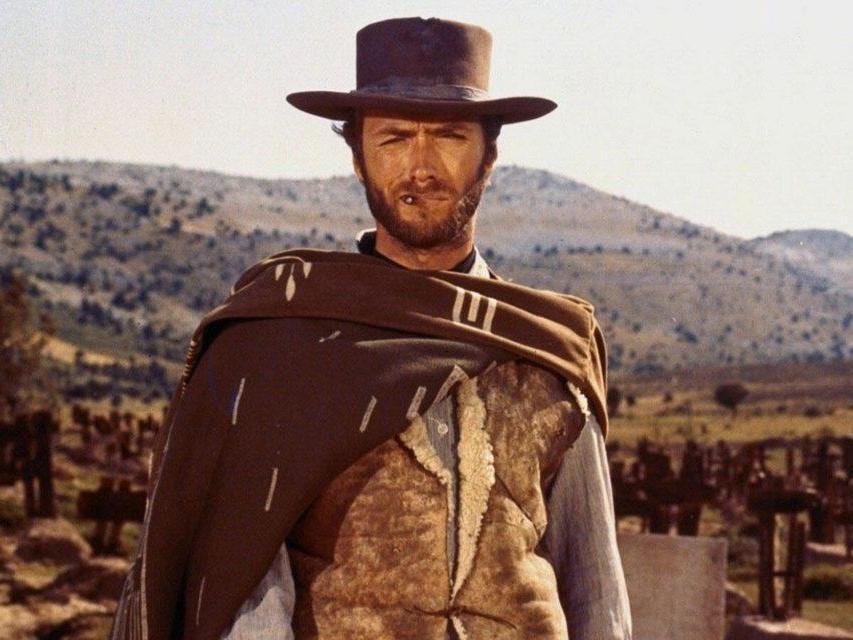
Many prominent western films have served as templates for the genre throughout the years. Some memorable examples include:
– Butch Cassidy and the Sundance Kid (George Roy Hill, 1969)
– The Gunfighter (Henry King, 1950)
– Once Upon a Time in the West (Sergio Leone, 1968)
– The Good, the Bad and the Ugly (Sergio Leone, 1966)
– The Searchers (John Ford, 1956)
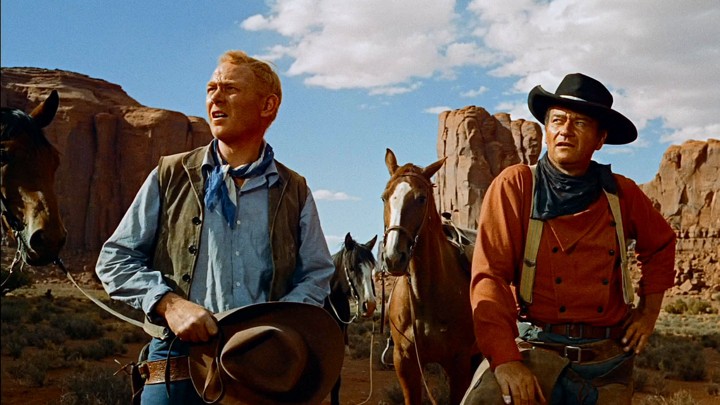
Some actors are well known in the western genre. These men and women are well recognized throughout cinema history for bringing western characters to life. Some examples of well-known western actors include:
-Clint Eastwood
-John Wayne
-Gary Cooper
-Henry Fonda
-Maureen O’Hara
-Barbara Stanwyck
Welcome to my blog about film and cinema. I am a student at MAST Academy taking AS Media studies, and in this blog I am going to analyze and explore many different genre’s of film, from action movies to documentaries. In addition to exploring the multitude of parts that go into filming a movie, I am going to work with a group of 3 other students to produce my own short films. My final task will be to make a 2 minute film opening, followed by a creative critical reflection. I am very excited to continue my exploration of media and film, and I know I’m in for a great year in AS Media studies.
Before beginning AS Media studies, I knew almost nothing about film. After a few classes, I began to realize just how in depth directors go to capture even a single scene. I learned about the many types of shots, from long shots and close ups to panoramic shots, and I researched the importance of lighting and how it sets the mood for a scene. After 3 introductory classes, my peers and I were assigned a short movie to film, and my first adventure into the world of film began.
My group and I, after learning about the production of a short film, created a storyboard outlining the plot of our film as well as the type of shot we would use for each scene. Our movie was set in MAST Academy, and documented the story of a trouble-making student who gets disciplined by his teacher after falling asleep in class. It was a fun and educational experience to film my first movie, but our group did encounter a few issues:
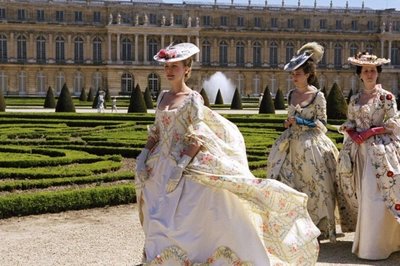
Mise-en-scene is one of the most important aspects of film. It includes the arrangement of everything that shows up in a frame and the way these things come together to affect the feel of the shot. The term originated from France, and means “placing on stage”. It is the collaboration of many different aspects of a scene, not a production term. It is the final product the different parts of a shot:
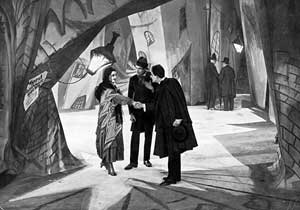
Mise en scene has been around since the advent of cinema. A well constructed mise en scene can lead to a completely different feel of a scene; accurate, intricate costumes can take the audience back in time, well composed music may bring viewers to tears, and the right lighting can make a scene stand out from the rest of the movie, cementing it in the minds of viewers for years to come. As you can see, mise en scene is crucial to how a film makes the audience feel.
Directors and cinematographers can spend hours deciding what props and decorations to include in a scene to give it a specific, almost tangible, mood or atmosphere.
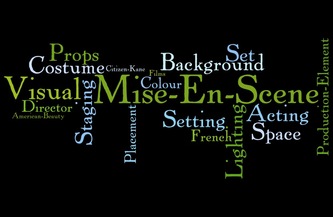
Who creates mise en scene?
In summary, everyone working on a set contributes to a scene’s mise en scene. From the costume and makeup director to the cinematographer, the actors and actresses to the lighting director, even the smallest details of a scene or film can have a profound effect on its intended impact on the audience.
One of the most widely used camera shots is the close up (and extreme close up). These shots are crucial to any genre of film to capture a character’s emotions and reactions better than any other type of shot.
Close up: this type of shot fills your frame with a subject, often their face. For example:
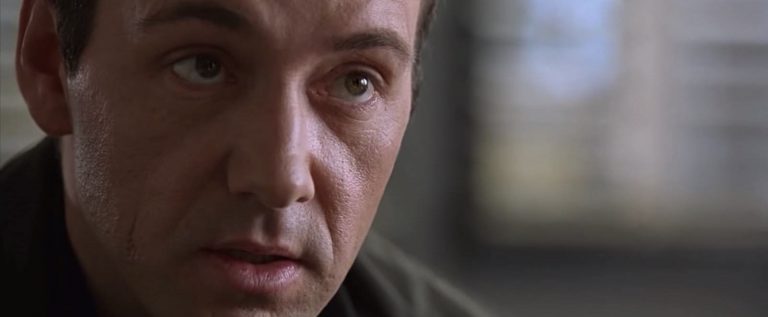
Here, the surprise is evident in the raising of the characters eyebrows, which may not be able to be seen in a far shot. Close ups are the most frequently used shots for important scenes, as they provide emphasis on a specific character more than any shot.
Extreme close up: this is the most zoomed-in and close up a shot can get in film. Extreme close ups often are used to show eyes, mouths and gun triggers, as well as any small or intricate detail.
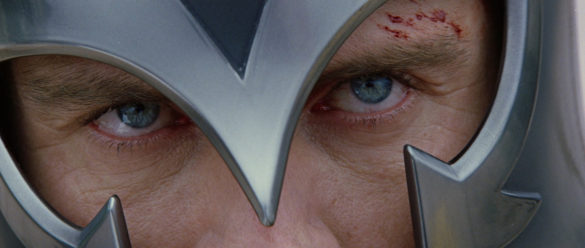
Every film genre uses extreme close ups, which are used to provide extreme emphasis on any single thing.
The type of shots used in film can have a profound effect on the atmosphere of a scene. There are a myriad of shot types, each with a different effect on the audience’s perception. Some of the main types of shots include:
Extreme long shot: these shots are used to set the scene and show the setting to the audience in a single snapshot. This is used in the exposition or when a new setting is introduced.
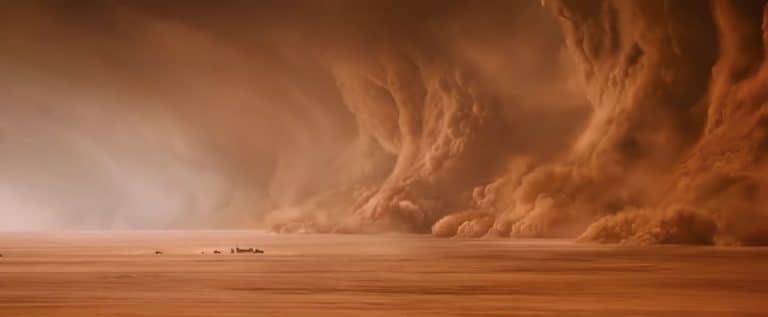
Full shot: A full shot allow the cinematographer to capture the scenery while also filling the frame with the main character. These are used to emphasize the importance of the character and show how he/she is connected to the setting, or include multiple characters in a single shot.
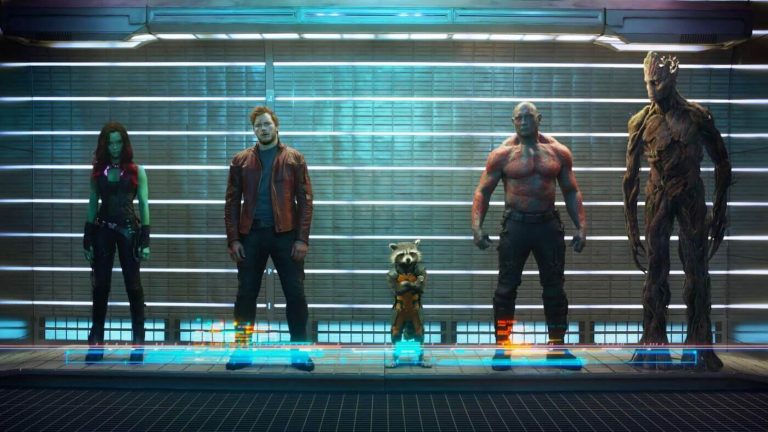
Cowboy shot: this is a shot used in western films that capture a character from the mid-thigh up in order to present their weapon on their hip.
Motivated lighting occurs when a cinematographer lights a set using an existing light source from a scene and building on it. This can be a street light, candle or lantern, and this leads to the lighting of a scene looking more natural and sensible. This can lead to the audience being unaware that special lighting is used in a scene.
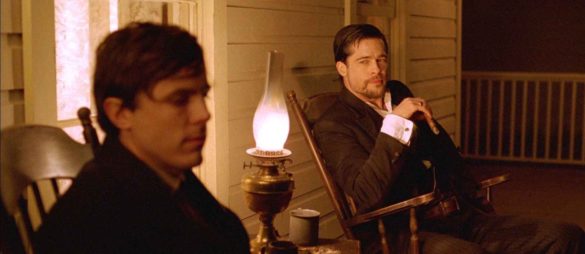
Practical set lighting: this is when a director uses existing lighting as the sole source of lighting in a scene, rather than use cinematic lighting. This is particularly used in longer and wider scenes, when a practical light source is required. Sometimes, a light bulb in a scene is swapped for a stronger one that still flows with the scene while providing superior, balanced lighting.
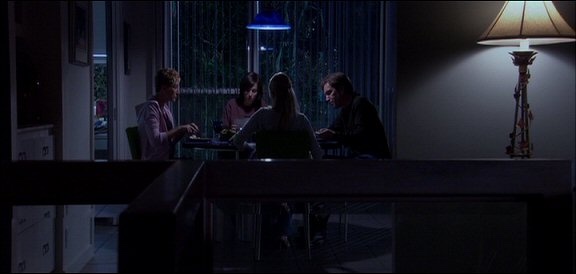
Consider this anecdote to understand how a small film crew used subtle lighting techniques to light their scenes:
“This method won’t always be possible, depending on your scene, but it’s always great to find ways to hide and diffuse your lights.
In this case, we were able to kill two birds with one stone by diffusing the lights and hiding them at the same time. We did this by hanging plastic painting drop cloths all around the scene. This way, the lights would just become nice, big, hot points of light in the background. As far as the viewer is concerned, these could just be work-lights or overhead fixtures in the distance.”

 Nandor's Blog